Editorial — October 22, 2026. A promise to help the electricity grid deserves a practical response: show the work. Technology companies increasingly present energy partnerships alongside their infrastructure ambitions. Those announcements become more useful when the public can see what was delivered during the difficult hours.
Today, Google and Voltus announced an expanded agreement targeting a one-gigawatt virtual power plant across the PJM region. Google describes a portfolio of flexible resources from homes and businesses, including thermostats, batteries and industrial assets, with participating customers receiving payments or bill savings. The agreement expands an earlier 100-megawatt arrangement.
That is an announced portfolio target, not proof that a gigawatt is already available on demand. Nor should readers mistake the headline for a new generating station. The question for an initiative built around flexibility is how consistently it can provide the promised help when the system needs it.
Measure the difficult hours
Our editorial standard would start with a public delivery record. Explain how much capacity was enrolled, how much could actually respond, what was requested during an event and what was measured afterward. Those numbers answer different questions. Combining them into a single impressive total makes meaningful evaluation harder.
Reporting should also explain duration. A resource that helps briefly may still be useful, but its contribution cannot be assessed without knowing how long it lasts. Publish results in a form that allows the public to distinguish a short response from sustained support through a difficult evening.
The baseline matters as well. To claim that consumption fell, a programme needs a defensible estimate of what consumption would have been without the intervention. That method should be described plainly and reviewed independently. Otherwise, outsiders are being asked to accept an invisible counterfactual.
Make the participant deal understandable
A programme involving household equipment should tell each participant what can change, how frequently it might change and what limits apply. People should know whether an event can affect comfort, stored energy or another service they rely on before they enrol.
We would expect a clear override, a straightforward way to leave and a payment explanation someone can understand without a spreadsheet. A customer should be able to compare the benefit received with the disruption experienced. Marketing should not treat enrolment as an informed choice unless the operating rules are accessible.
That is especially important when a product serves several purposes. A battery might be bought for backup, while a thermostat is part of daily life. The programme’s authority over that equipment should be explicit. Customers deserve to understand how their own priorities are preserved when another organization requests a response.
Account for the whole event
Good measurement should examine what happens after the intervention ends. If deferred activity resumes later, that later period belongs in the assessment too. The programme should explain whether the timing helps the grid overall, rather than treating the end of a dispatch as the end of the story.
The public should also be able to distinguish participant compensation from wider claims about affordability. Payments to enrolled customers are one outcome; lower costs for everyone else are another. Both can be worthwhile, but a claim about one does not automatically establish the other.
Likewise, a capacity number alone does not establish an environmental result. Any claim about emissions should describe its method, assumptions and relevant time periods. The standard should be evidence proportionate to the claim, without expecting every reader to become an energy-market specialist.
Build trust into the reporting
These are proposed accountability standards, not findings that this partnership has failed them. Google’s announcement is brief. The next useful step is a reporting plan that identifies what will be published, who verifies it and how often results will be updated.
An effective public report could be short: delivery during events, participant experience, compensation, limitations and changes made after problems. Aggregate results can preserve household privacy while still making the larger performance claim testable.
A virtual power plant can earn public confidence through ordinary operational evidence. The headline opens the conversation. A transparent record of dependable help, fair participation and honest limitations is what should sustain it.
Source: Google’s October 22 announcement of its expanded Voltus agreement. The accountability standards above are DigitalNights Media’s editorial recommendations.
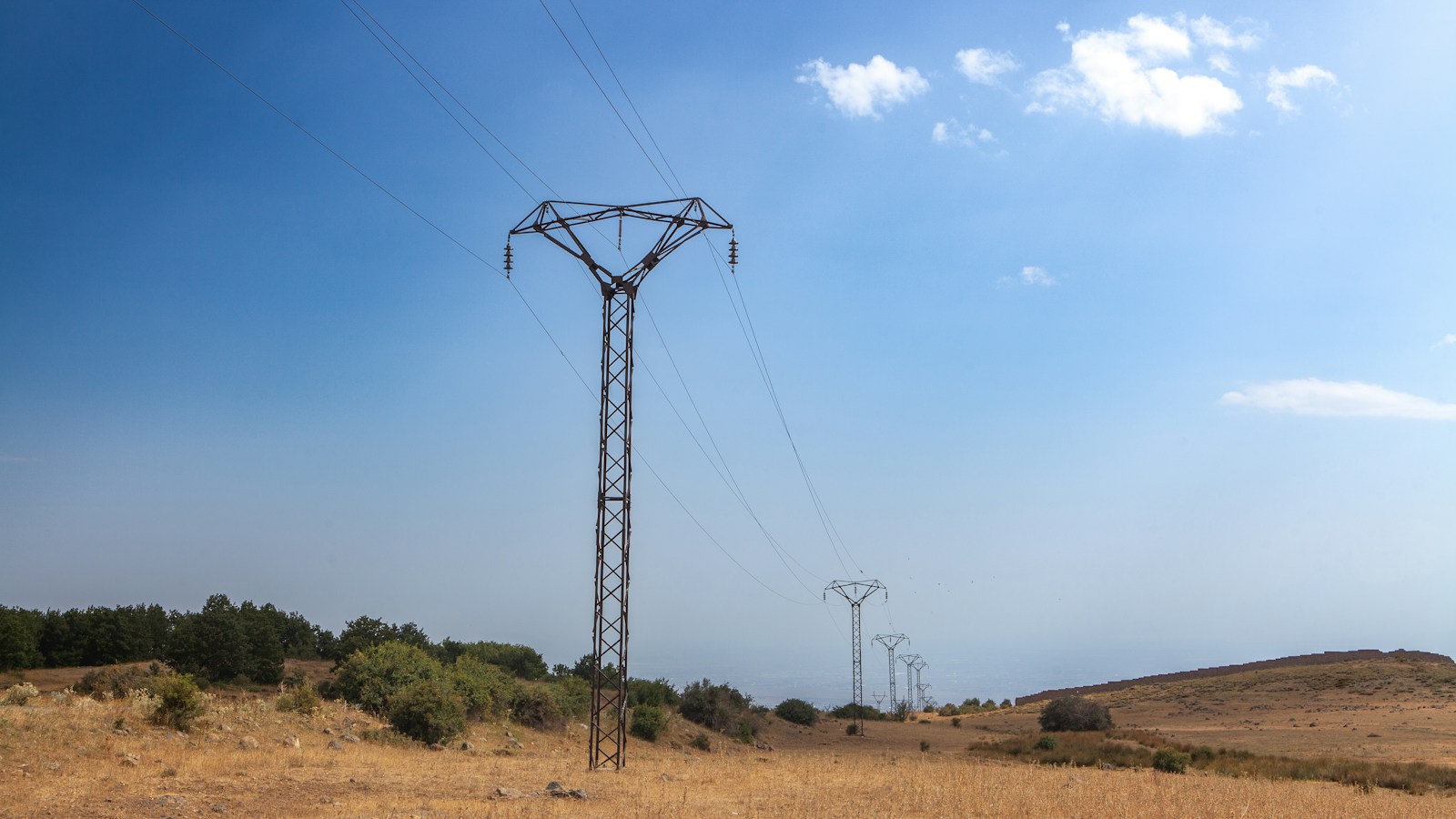
Featured photo: Sasun Bughdaryan / Unsplash, used under the Unsplash License. Illustrative grid infrastructure; not a photograph of the announced project.