Editorial — November 7, 2026. There is a difference between wanting to record a walk and wanting the rest of the day evaluated. A fitness tracker can be useful company without becoming a tiny manager strapped to a wrist. The owner should get to decide which role it plays.
Google’s current product updates promote Fitbit Edge around readability, comfort, a larger display, and physical controls. Those are tangible design choices. They also invite a less visible question: once a wearable has earned a place on someone’s body, how much attention should it ask for?
A recorded number need not become an instruction
A person might want a simple record of weekend walks. Another might enjoy goals and reminders. Someone else may care mostly about seeing a timer without taking out a phone. These are different preferences, and a sensible product should make room for them rather than assume that every measurement needs a prompt.
The problem is not the existence of goals. A self-chosen goal can make a routine easier to remember and progress easier to notice. The problem is treating engagement with the device as though it were automatically the same thing as getting value from it. Checking a screen more often is not a universal measure of success.
Think about an ordinary Saturday. Plans change, a bus is late, lunch runs long, or a friend needs a hand. An interface can present the day’s record without turning every deviation from a target into unfinished business. There should be a comfortable place between enthusiastic coaching and abandoning the device entirely.
Quiet should be a complete mode
My preferred design would put notification choices near the beginning of setup. Ask whether the owner wants reminders, celebrations, summaries, or none of those. Explain each choice plainly. Let the person change their mind later without hunting through unrelated settings. These are design recommendations, not claims about the controls on any particular tracker.
A quiet mode should preserve the parts someone still wants. If the goal is simply to check a record after a walk, muting encouragement should not feel like leaving the product’s intended path. The interface should be able to serve a person who opens it occasionally just as respectfully as someone who enjoys daily challenges.
Language matters too. A neutral summary leaves room for context the device does not have. An owner should not have to explain a busy afternoon, a changed priority, or an intentional break to make the screen feel settled. A gadget can report what it recorded without pretending to know what the day ought to have been.
Start with the routine, not the dashboard
For buyers, the useful question is modest: what recurring annoyance would this device remove? Perhaps it makes a timer easier to reach or keeps a phone in a pocket during a walk. If the answer is specific, it becomes easier to decide which alerts are useful and which are merely additional noise.
For gift-givers, that question belongs to the recipient. A wearable is unusually personal technology. It occupies space on a body and may invite someone to record parts of daily life. Letting the recipient choose the level of tracking and prompting is part of giving a thoughtful gift, not a detail to settle after the box is opened.
None of this requires rejecting numbers or cheerful encouragement. People who enjoy them should have good tools. It requires treating a quieter relationship with the same hardware as equally legitimate. Choice should cover how much attention a product receives, as well as which colour strap comes with it.
The best outcome may be wonderfully undramatic: the device helps with a task, the owner checks what they need, and the day continues. A wearable should be able to earn its keep without insisting on being the story of every afternoon.
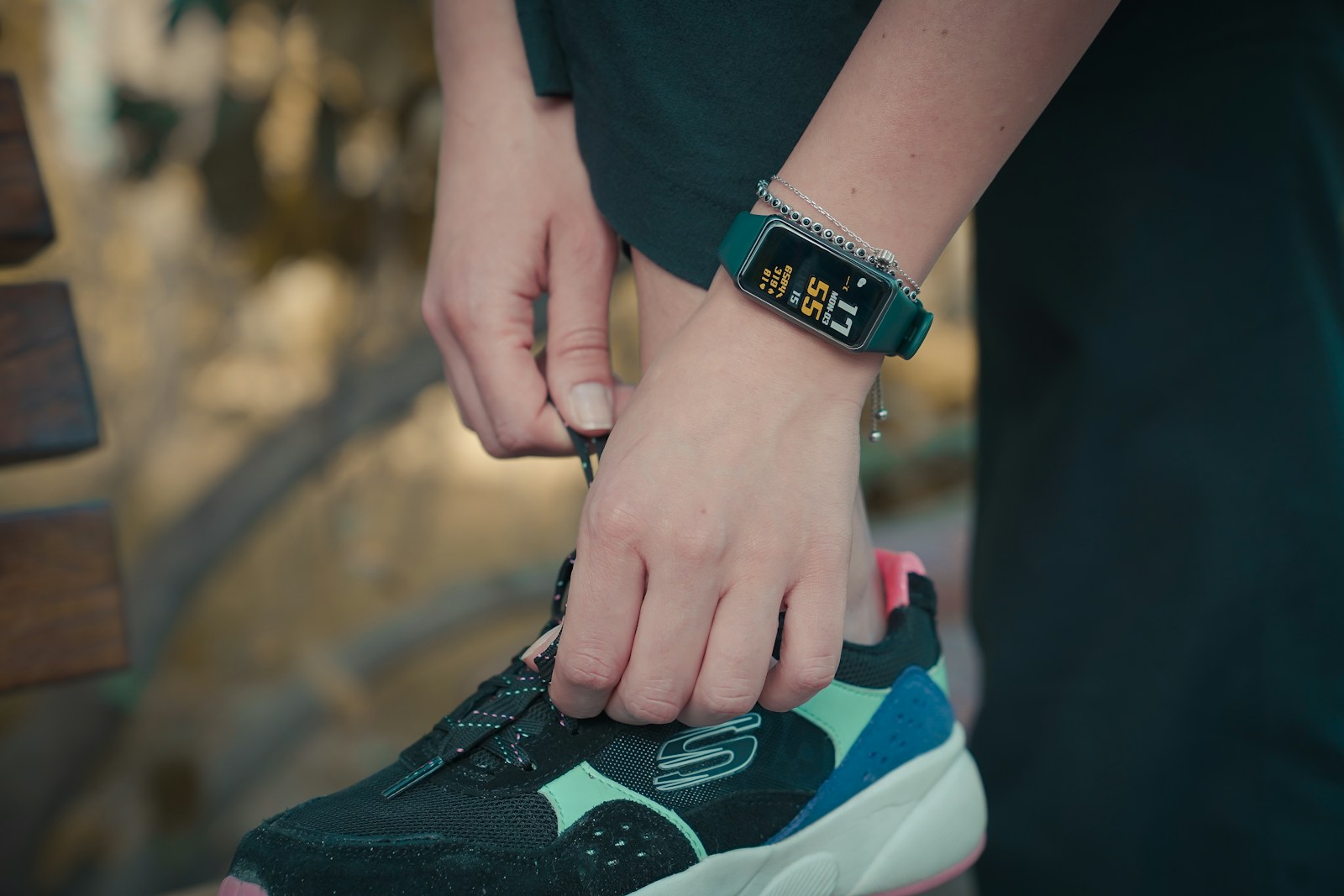
Photo: Onur Binay / Unsplash, used under the Unsplash License. Illustrative wearable photograph; not Fitbit Edge.