
Editorial | October 11, 2026
The next generation of phone assistants will not feel truly personal because they can answer a question. They will feel personal because they can connect the details we scatter across messages, calendars, email and apps — and then act on them. That is also exactly why the industry’s familiar “your privacy matters” language is no longer enough.
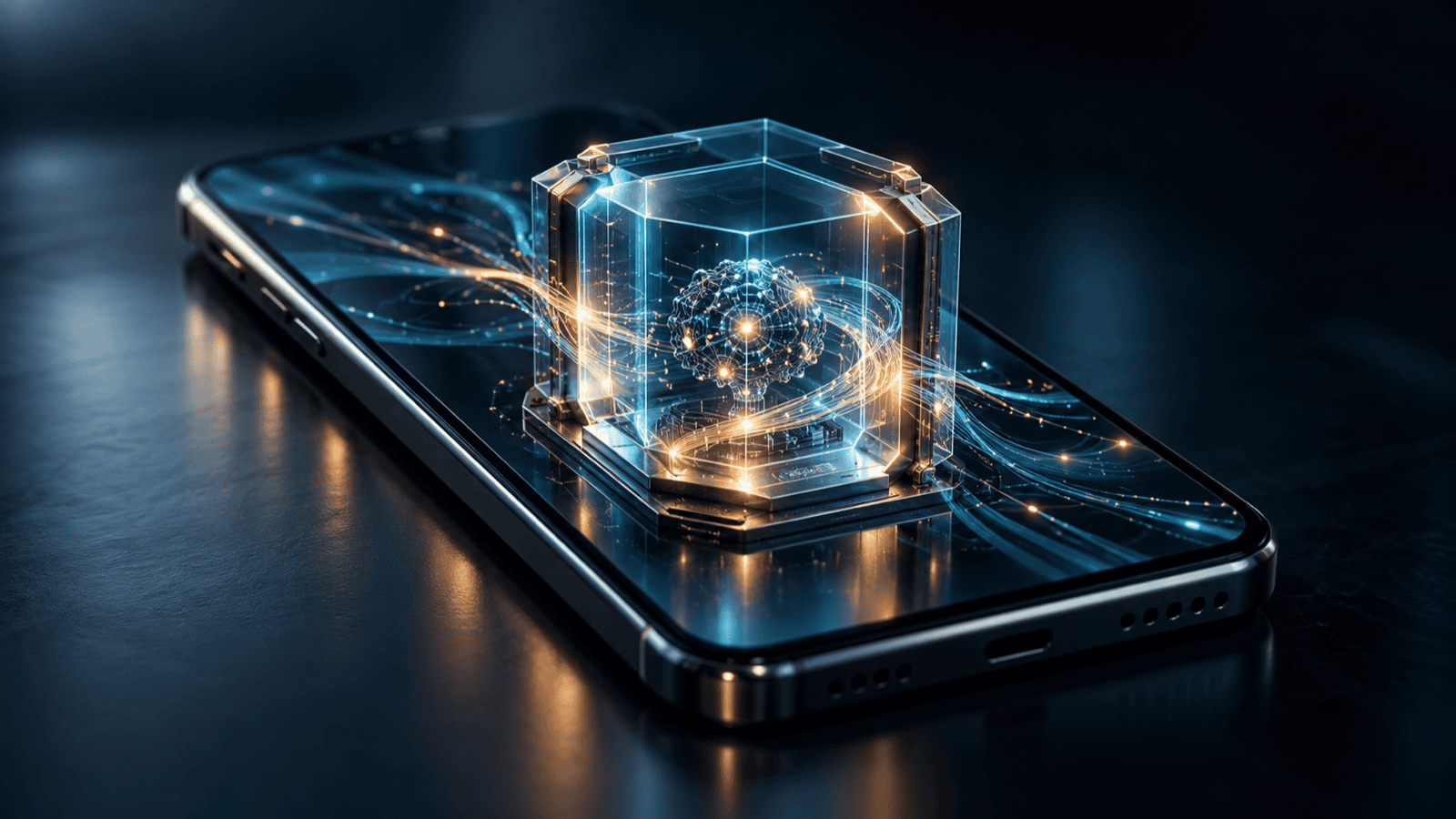
Google’s newly announced Android on-device AI seal, or AISeal, is an attempt to turn privacy from a promise into a technical boundary. Built on the Android Virtualization Framework and the protected Kernel Virtual Machine hypervisor, it is designed to isolate sensitive AI context from the main operating system inside a hardware-backed protected virtual machine.
Helpful AI wants the most sensitive map of your life
A useful assistant may need more than the contents of one app. It may build a private index that connects an appointment to an email, a message thread and a location. That “personal context” can make AI dramatically more useful, but it also creates a high-value target: a compact map of someone’s habits, relationships and intentions.
Traditional app sandboxing helps keep one app away from another. AI systems complicate that model because several services may need to collaborate across data sources. Google says AISeal is designed as a multi-tenant vault: protected databases, local inference systems and agents can work inside one isolated environment while internal access controls keep their raw data separated.
The most important idea is not that the phone runs AI locally. Local processing can reduce exposure to cloud services, but “on device” does not automatically mean “private.” Malware, a compromised operating system or over-broad permissions can still turn local data into a liability. The stronger claim behind AISeal is that private context remains cryptographically isolated even if the host operating system is compromised.
The trust boundary is moving below the operating system
This is part of a larger shift. As assistants gain permission to read files and take actions, security has to move from asking whether an app is trustworthy to limiting what an agent can see and do during a specific task. Microsoft is making a similar argument on PCs with execution containers and local/cloud routing in its hybrid intelligence strategy.
On Android, pKVM places the protective boundary beneath the host OS. Google’s design allows an assistant to query a protected database and run an inference inside the vault, returning only the intended result to the rest of the system. Future plans include moving more inference and autonomous-agent work into that protected environment, assigning the enclave a direct path to the neural processor and extending encrypted processing to confidential cloud services.
Those are meaningful architectural choices. They reduce the amount of sensitive material that must be trusted to a sprawling operating system. They also create clearer places for researchers and device makers to test whether the isolation holds.
Architecture is a foundation, not a finished guarantee
Consumers should still resist treating a new security label as proof that every AI feature is safe. The implementation will vary by chipmaker and device manufacturer. Google says MediaTek’s Dimensity 9600 Pro will support the pKVM-backed design and Qualcomm chipsets will support it through the Android Virtualization Framework, but the real test will be how widely the protections ship, which workloads actually stay inside the vault and how clearly phones explain when data crosses its boundary.
There are also governance questions hardware isolation cannot answer on its own. What data is added to the personal index? How long is it retained? Can the user inspect or delete it? Which assistants receive access, and does permission follow a specific task or quietly persist? Strong encryption cannot compensate for consent screens that are vague or controls that are buried.
Three questions every “private AI” feature should answer
- Where is the sensitive context processed? “On device” is a start, but users deserve to know whether data is isolated from the main operating system and when cloud processing is involved.
- What leaves the protected environment? A final answer is very different from raw messages, embeddings, logs or diagnostic data.
- Can the user see, revoke and delete access? Privacy should be understandable after setup, not just during an introductory screen.
AISeal is promising because it treats personalized AI as a security problem at the architecture level. That is where the conversation needs to go. The assistants most worth using will know a great deal about us; the platforms most worth trusting will make that knowledge difficult to steal, easy to govern and possible to erase.
Sources
- Google Security Blog: Android’s Next-Gen Enclave for On-Device AI (October 7, 2026)
- Windows Experience Blog: Building Windows for hybrid intelligence (October 7, 2026)