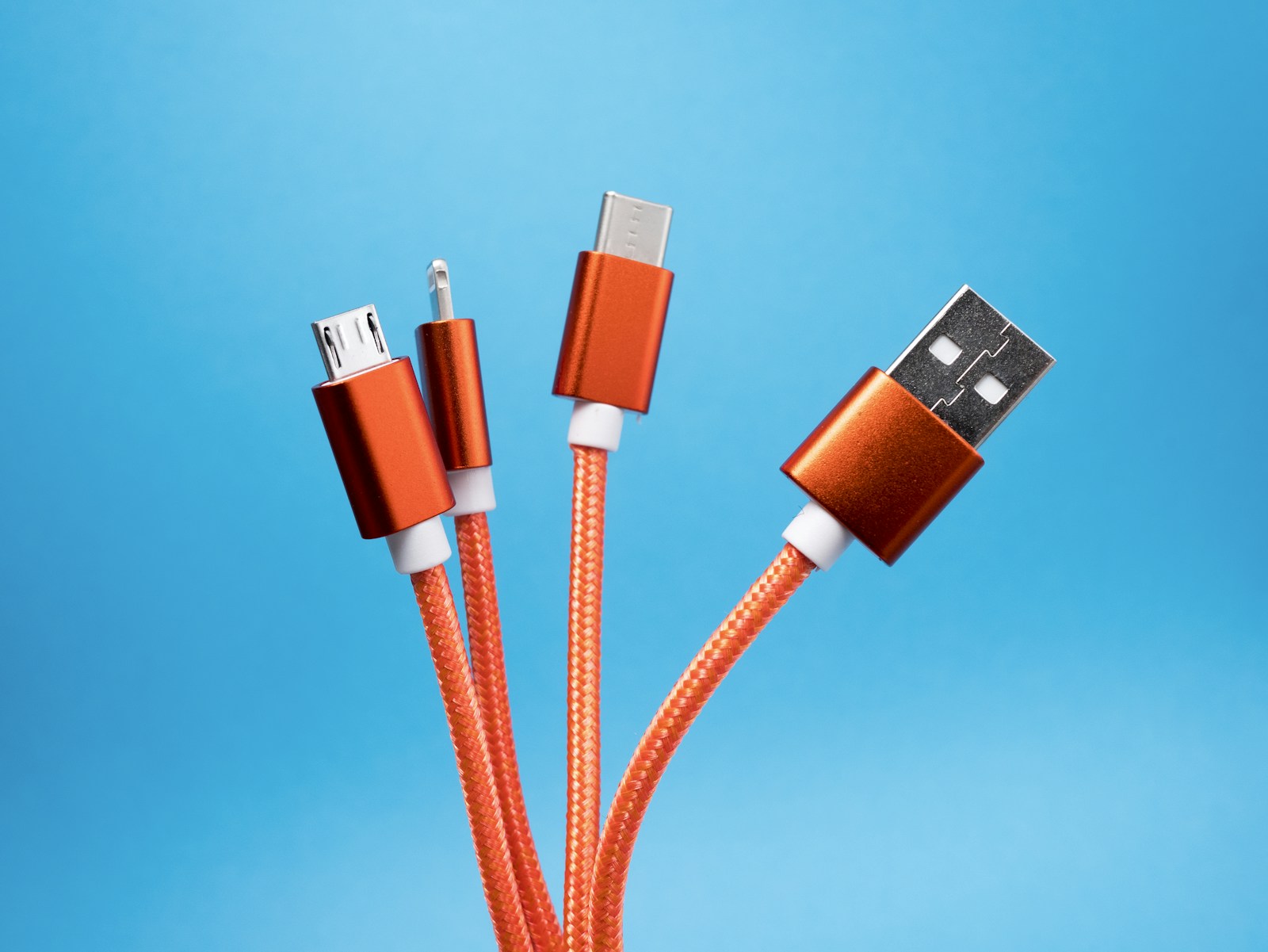
Editorial — November 1, 2026. A cable that fits can still be the wrong cable for the job. That is an unusually effective way to make a simple purchase feel like a technical exam. As November shopping begins, accessory makers should treat understandable capability labels as part of the product—not homework assigned to the buyer.
The USB Implementers Forum’s cable guidance explicitly says cables have different capabilities and that a certified cable does not expand what connected products can do. Its compliance program distinguishes power markings from data-rate markings. This is existing guidance, not a newly announced November standard.
The technical distinction is legitimate. The burden of communicating it should not fall entirely on the person standing in a shop or staring at several nearly identical listings.
Start with the task
Most people do not begin with a protocol version. They begin with a job: charge a laptop, move photographs, connect a display or replace a worn cable. The listing should explain which of those jobs the accessory supports, followed by the specifications needed to check the claim.
This is a recommendation for product communication, not an argument that one cable ought to do everything. A basic charging cable can be exactly the right product. It becomes frustrating when the packaging makes its limits harder to discover than its most impressive number.
A clear description should make the difference between a connector shape and a supported function visible before purchase. If a use depends on the capabilities of the computer, charger or display, say that close to the claim.
Do not make one large number do three jobs
Power capacity and data performance answer different questions. A prominent wattage label should not be allowed to imply an unspecified transfer speed. Equally, a speed claim should not be a substitute for an explanation of the power or display functions a particular setup needs.
These are not findings from a cable benchmark. They are standards for an honest description: name the metric, state the conditions and identify the limit. A buyer should be able to compare two products without guessing whether the marketing departments are describing the same property.
Make the information survive the box
Accessories spend most of their lives separated from their packaging. Once several cables share a drawer, an excellent specification table on a discarded box is not much help.
Useful markings should therefore be readable on the product where practical, with a durable route to the exact model’s specifications. A general brand homepage is less useful than a model number that leads to the right document. If the product comes in several lengths or variants, the description should distinguish them.
That also helps households and workplaces reuse equipment rather than replacing something simply because nobody remembers what it supports. The goal is less uncertainty, not a new excuse to buy the most expensive accessory.
Publish the limits as clearly as the benefits
A limitation stated plainly is not a defect. It lets someone choose a modest product confidently or identify the extra capability they really need. What undermines trust is making the limitation appear only after the purchase.
Retailers have a role too. Search filters and comparison tables should preserve meaningful distinctions instead of collapsing every cable with a similar plug into one interchangeable category.
For buyers, the sensible approach is to write down the intended task, check the connected devices’ requirements and then compare the exact accessory specification. There is no need to turn every purchase into a chase for the largest number.
The broader lesson reaches beyond USB. Familiar shapes and reassuring labels can hide important differences in capability. Good product design includes explaining those differences. If a connector makes the first step simple, the description should make the next decision simple too.
Photo: Lucian Alexe / Unsplash, Unsplash License. Illustrative stock photograph; no particular cable rating or game performance is demonstrated.