Editorial — November 9, 2026. A completed download is a satisfying little event. The progress bar disappears, the file lands in a folder, and a vaguely responsible task feels finished. When that file is an archive of something important, however, the useful work has only reached its next stage.
Google’s Takeout guidance describes exporting selected account data and warns that some changes made between the request and archive creation may be absent. It also states that downloading data does not delete the originals. Those details are reminders to define what an archive is supposed to accomplish before treating it as reassurance.
A file on disk is a starting point
The first question is simple: can you use what arrived? Choose a few representative items that matter to you. Open an ordinary document, inspect an older item, and find something you know belongs in the collection. This small check does not prove completeness, but it can reveal that the next step requires more thought than putting a download in a folder.
There is a meaningful difference between possessing files and having a convenient way to read them. An archive can be valuable even if it does not reproduce the original app’s interface. The owner still needs to know which program opens the files and whether the information they care about remains understandable outside the original service.
That is especially important when the useful part of a record is its context. A photograph may matter because of an album or date; a document may matter because it sits beside related work. Decide which relationships you need to preserve, then examine the export rather than assuming that familiar presentation will accompany the content.
Make the inspection small and specific
Trying to inspect everything at once can make a reasonable task impossible to start. A better first pass is to name a few expectations: these folders should exist, these sample files should open, and this particular period should be represented. Write the expectations down before the download turns into another anonymous archive.
If a sample fails, investigate the format and export options through the provider’s documentation. Keep the source available while you work out what happened. An unsuccessful check is useful information; it is not a reason to delete the original and hope a different application will understand the archive later.
It also helps to record the date and scope beside the files. A plain note explaining which account and products were selected can save future guesswork. If you deliberately left something out, say so. The future version of you should not have to infer whether an empty folder reflects a choice, a limitation, or an error.
Storage is a separate decision
After inspection, decide where the archive belongs and who can reach it. A collection that brings years of records together deserves deliberate handling. A casually shared folder or an unfamiliar upload tool may be an unsuitable place to discover whether the files are readable. Start with storage you understand and control.
The next question is how current the copy needs to be. A one-time archive may suit a completed project. A collection that keeps changing needs another plan. There is no universal interval that makes every personal archive adequate; the right choice depends on what would be painful to lose and how often it changes.
This is not an argument for turning a weekend download into a professional preservation project. It is an argument for spending a few minutes on the part that establishes practical value. A small, documented inspection is more useful than a much larger file nobody has opened.
A progress bar can tell you the transfer ended. It cannot tell you whether the archive will answer the question you ask six months from now. Give the files a quick rehearsal while the source is still available, and leave yourself a note about what you learned. That is a much sturdier ending to the task.
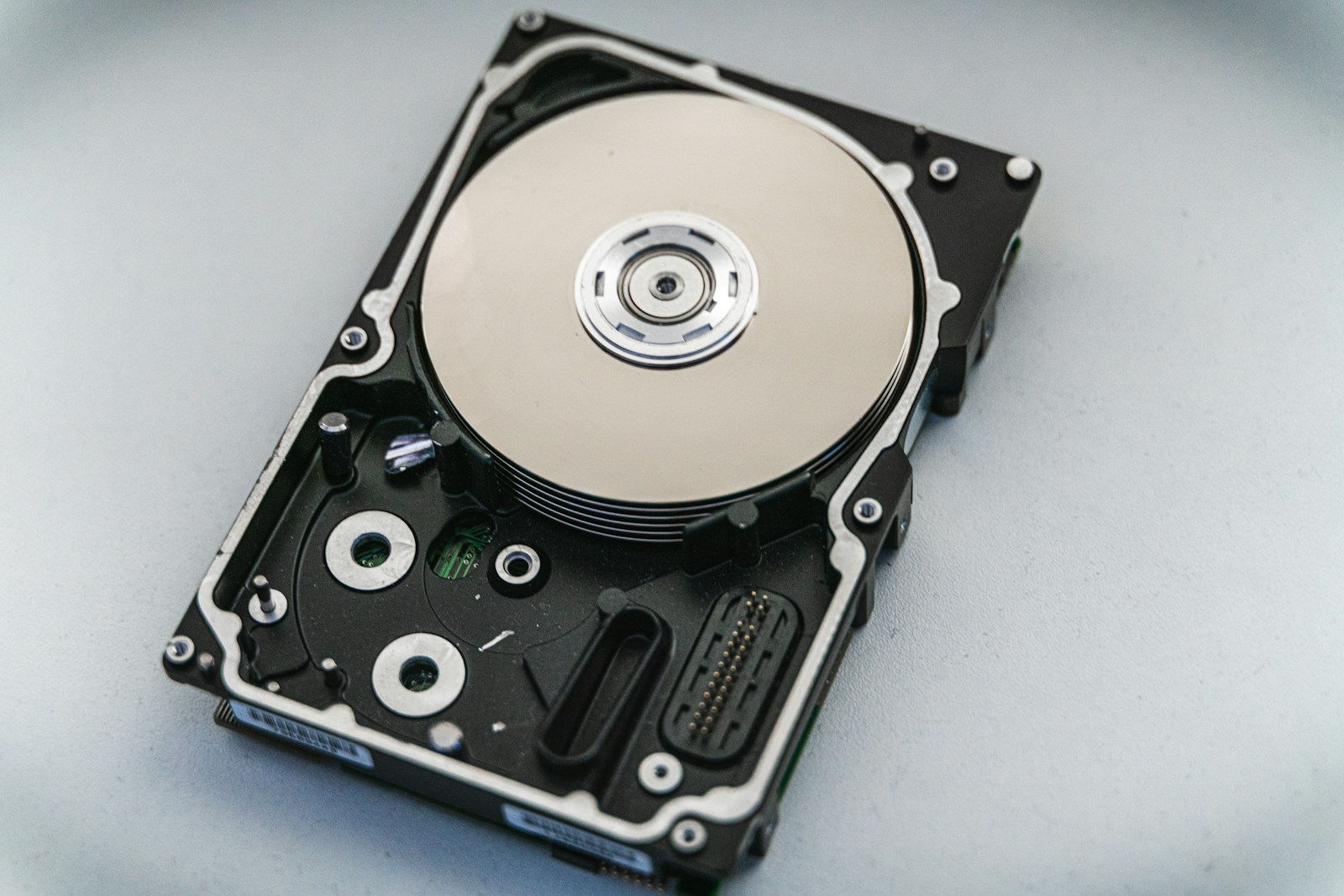
Photo: Nick / Unsplash, used under the Unsplash License. Illustrative stock photograph; not a screenshot of the service or game discussed.